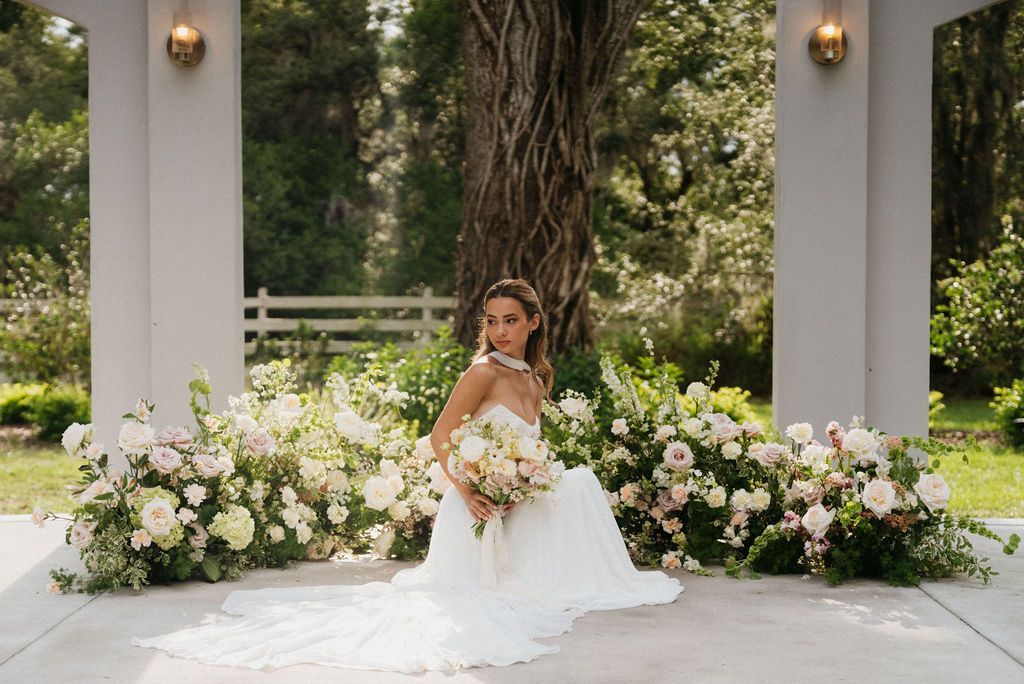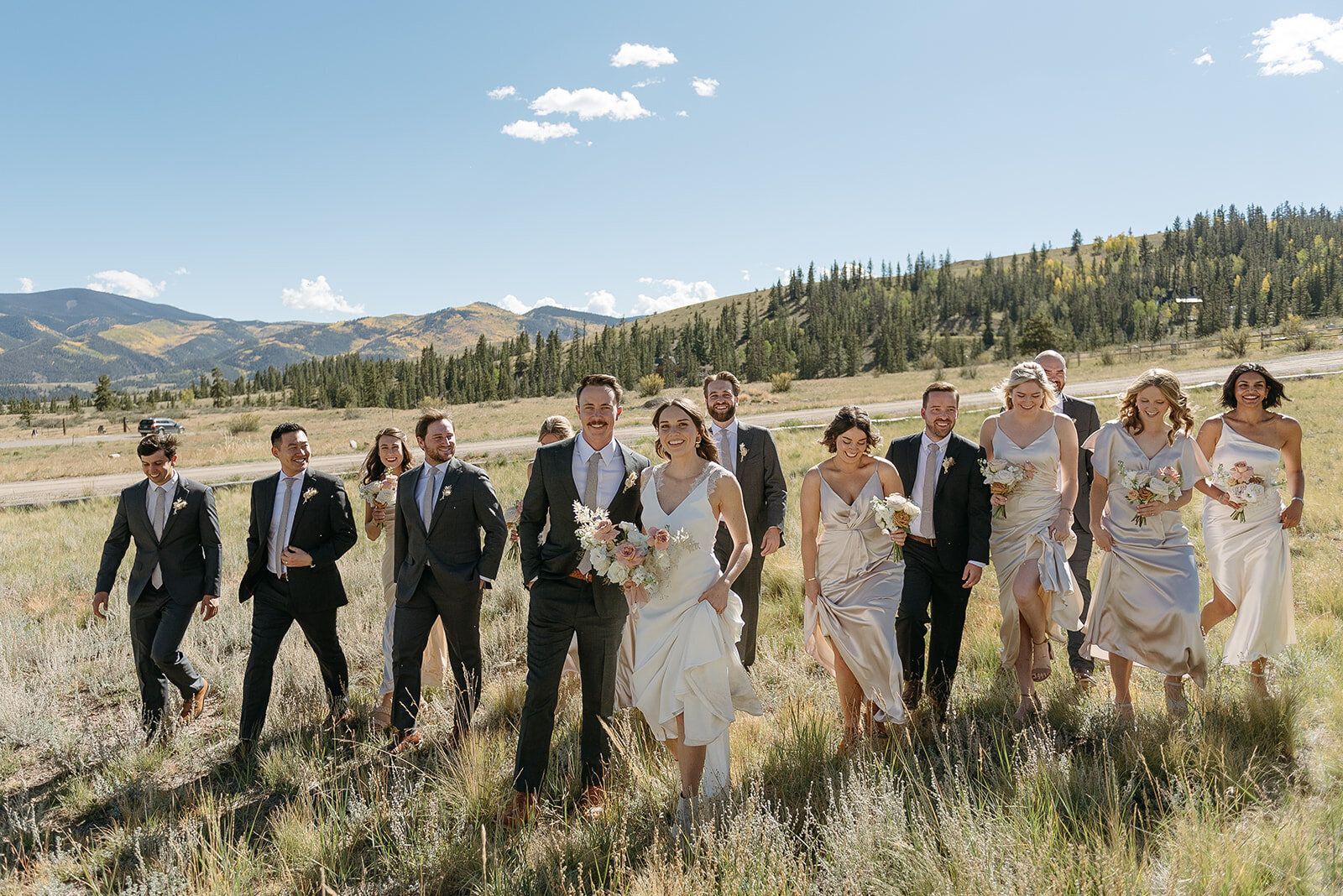

Should you hire a wedding planner | Wedding Flowers
Wedding Flowers & Wedding Planner: Should You Hire a Wedding Planner for Your Big Day?
TLDR
- Hiring a Wedding Planner can reduce stress, organize timelines, and help your wedding day run smoothly.
- A planner is especially valuable for mountain weddings, large guest counts, or weddings with multiple vendors and locations.
- Your Wedding Flowers are easier to coordinate when a planner helps manage setup timing and vendor communication.
- Smaller weddings and elopements may not require a full planner, but day-of coordination can still make a big difference.
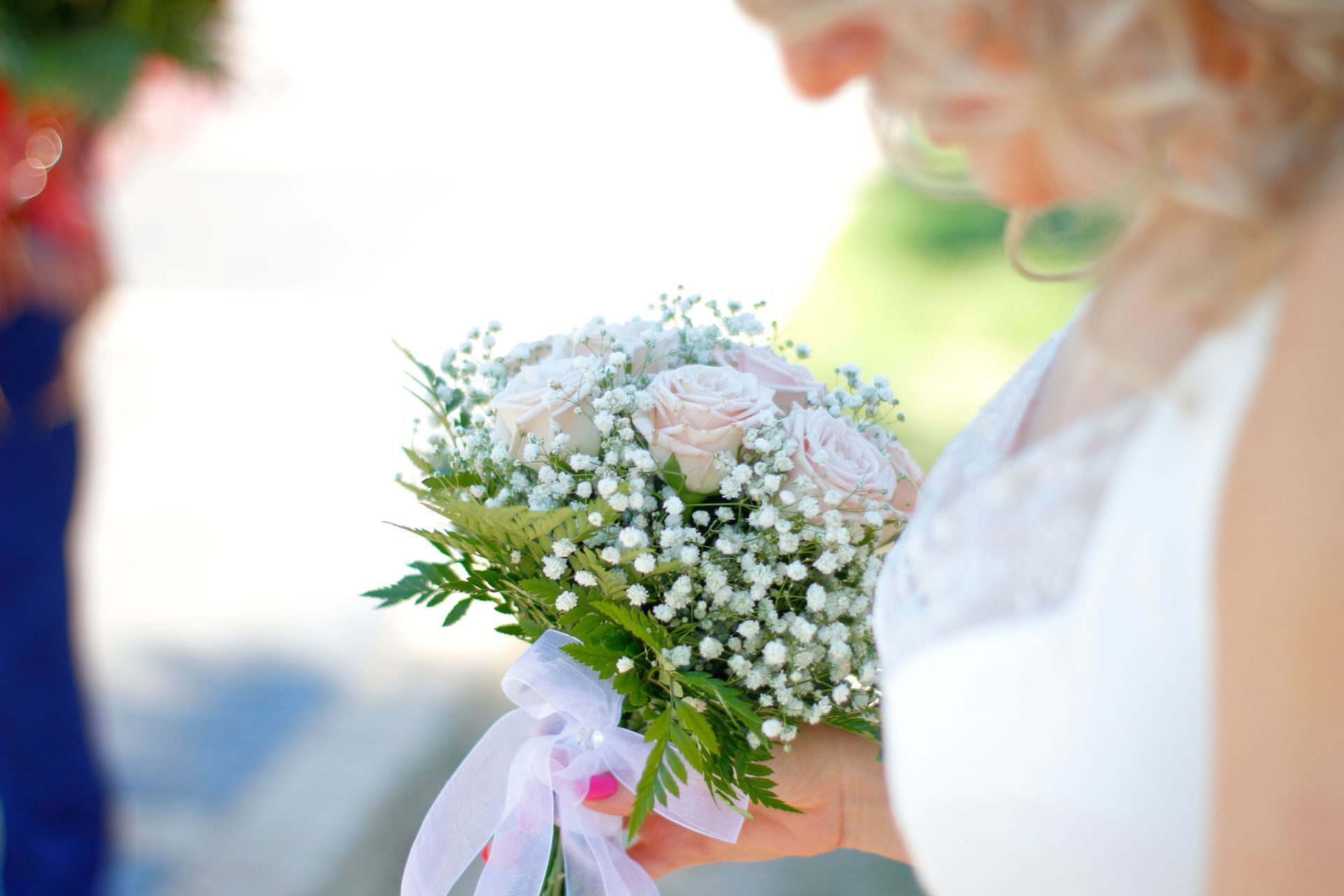
- Popular wedding flowers include roses, peonies, ranunculus, hydrangea, orchids, dahlias, tulips, and seasonal greenery.
- Wedding planners help prevent last-minute problems so you can focus on enjoying your day.
- Florists and planners often work closely together to create a smooth wedding experience.
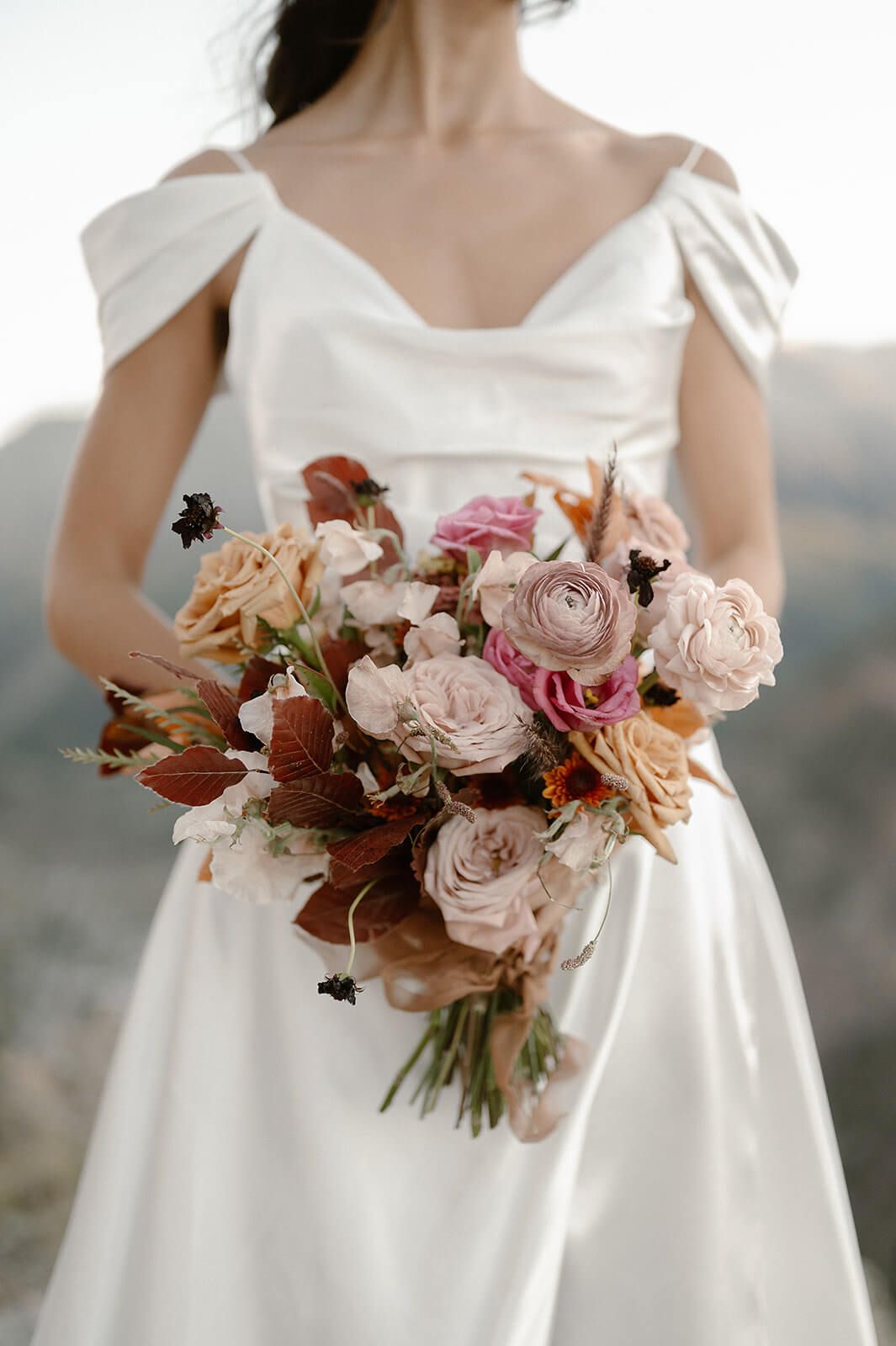
Planning a wedding is exciting, but it can also become overwhelming very quickly. Between venues, timelines, vendors, guest counts, décor, and your Wedding Flowers, there are a lot of moving pieces to manage. That is why many couples eventually ask the same question: should you hire a Wedding Planner?
At Hosanna Floral, we work with couples across Montrose, Ridgway, Ouray, Telluride, Gunnison, and Crested Butte throughout the wedding planning process. We have seen weddings with full planners, day-of coordinators, and completely DIY setups. Each approach can work, but some weddings definitely benefit more from professional planning support.
If you are trying to decide whether hiring a planner is worth it, this guide will help you understand what planners actually do, how they help with wedding flowers, and how to decide what level of support makes sense for your wedding.
What Does a Wedding Planner Actually Do?
Many couples assume wedding planners simply decorate tables or tell people where to stand. In reality, a good planner handles much more than that.
Timeline Management
One of the biggest jobs a planner handles is keeping the day moving on schedule.
This includes:
- Vendor arrival timing
- Ceremony start times
- Reception transitions
- Dinner timing
- Photography coordination
- Setup and cleanup schedules
Without someone managing the timeline, small delays can quickly snowball into larger problems.
For example, if floral setup gets delayed because tables are not ready yet, that delay may affect photography timing or reception setup later in the day.
A wedding planner helps prevent those chain reactions before they happen.
Vendor Coordination
Wedding planners communicate with vendors throughout the planning process.
That often includes:
- Florists
- Caterers
- Photographers
- DJs
- Rental companies
- Hair and makeup artists
- Venues
This communication keeps everyone aligned and helps avoid confusion on the wedding day.
At Hosanna Floral, planners often help us know exactly when we can access a venue for floral installation and when everything needs to be finished before guests arrive.
Problem Solving Behind the Scenes
One of the biggest benefits of hiring a planner is that they solve problems quietly without involving you.
That could include:
- Weather changes
- Missing décor items
- Vendor delays
- Seating confusion
- Timeline adjustments
Instead of you handling those situations while trying to enjoy your wedding day, the planner handles them for you.
Why Wedding Flowers Become Easier with a Wedding Planner
Coordinating Floral Setup
Wedding flowers often require careful timing.
Bouquets need to arrive before photos. Ceremony flowers must be installed before guests arrive. Reception centerpieces need to be placed after tables are set.
A planner helps coordinate all of those moving pieces so your florist can focus on design rather than logistics.
Helping Your Florist Focus on the Creative Work
When a planner handles timing and communication, your florist has more time to focus on making the flowers look beautiful.
This becomes especially important with larger weddings that involve:
- Floral arches
- Hanging greenery
- Large centerpieces
- Multiple locations
- Reception room flips
Anecdote: One Telluride wedding we worked on involved moving ceremony flowers into the reception space after the ceremony ended. The planner coordinated the transition perfectly, allowing our team to focus entirely on resetting the floral designs quickly and beautifully.
Managing Large Floral Installations
Large floral installations require coordination between vendors and venues.
A planner often helps with:
- Venue access timing
- Ladder and equipment coordination
- Setup windows
- Vendor movement through the venue
This becomes especially important in mountain venues where setup time may be limited.
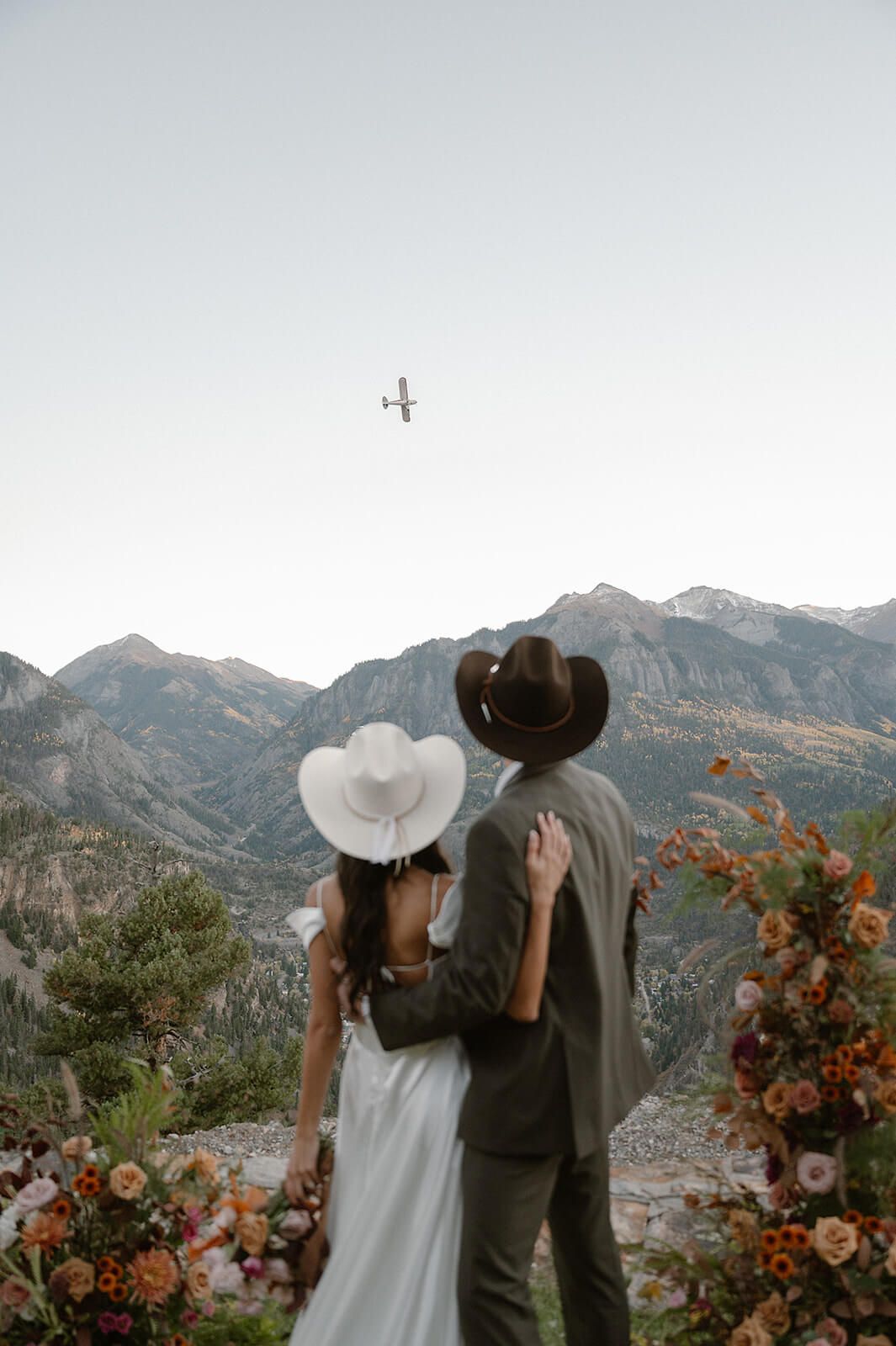
What Flowers Are Popular for Weddings?
Some flowers stay consistently popular because they work beautifully in photographs and wedding settings.
Roses
Roses remain one of the most requested wedding flowers because they are versatile and timeless.
Peonies
Peonies are soft, romantic, and luxurious. They are especially popular in spring weddings.
Ranunculus
Ranunculus provide delicate texture and movement in bouquets.
Hydrangea
Hydrangea add fullness to arrangements and centerpieces.
Orchids
Orchids create a modern and upscale look.
Dahlias and Seasonal Flowers
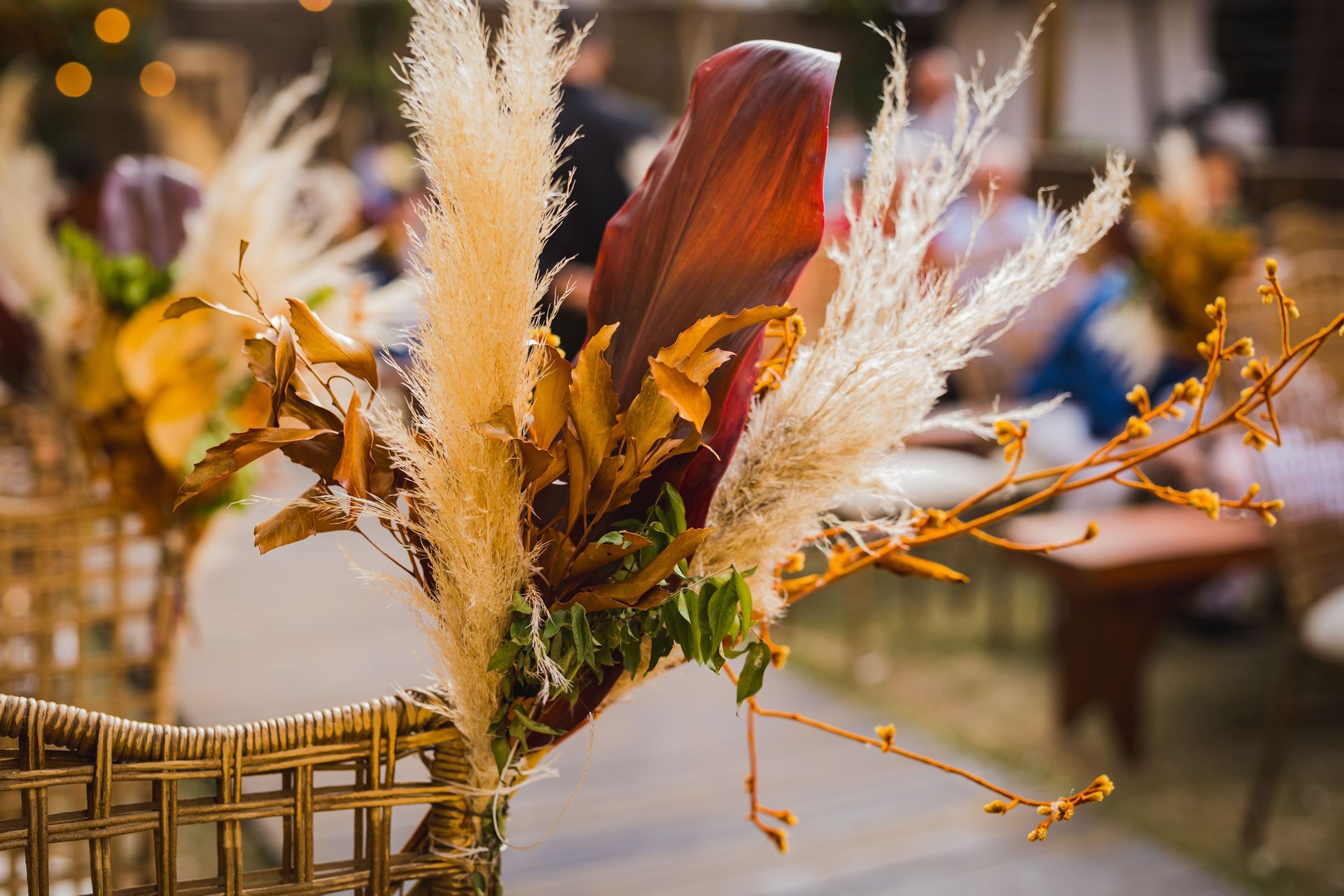
Colorado weddings often feature seasonal flowers that complement mountain settings and local color palettes.
Weddings That Benefit Most from a
Planner
Not every wedding requires a full planner, but some weddings benefit greatly from one.
Large Weddings
The more guests and vendors involved, the more moving parts there are to coordinate.
Large weddings often involve:
- Complex timelines
- Multiple setup areas
- Larger floral installations
- More vendor communication
A planner helps keep everything organized.
Mountain and Destination Weddings
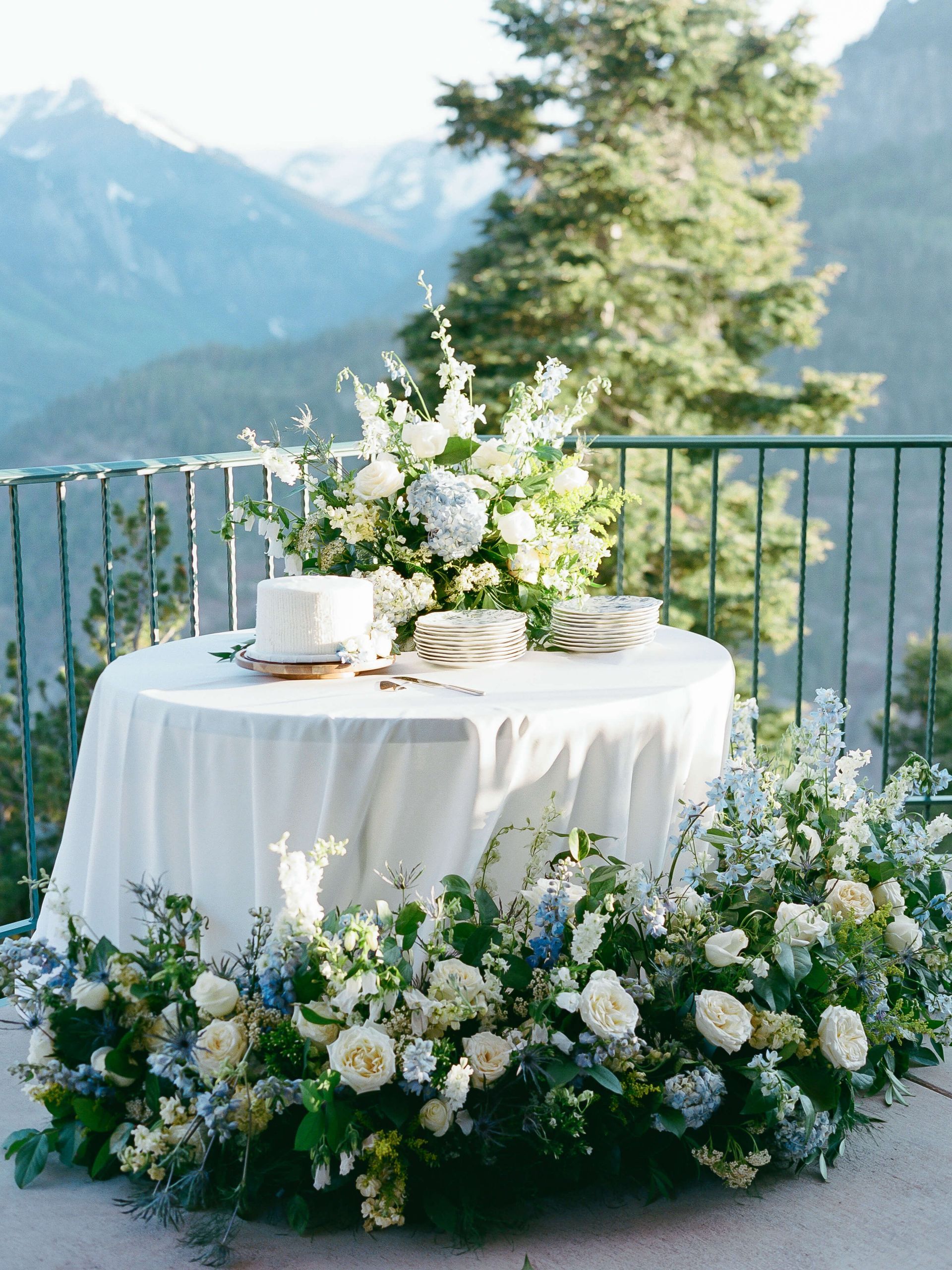
Mountain weddings in places like Telluride and Crested Butte often involve additional logistical challenges.
These may include:
- Travel timing
- Weather concerns
- Venue access limitations
- Vendor transportation coordination
Having a planner who understands mountain weddings can make a huge difference.
Weddings with Multiple Locations
If your ceremony and reception happen in separate locations, coordination becomes more complicated.
Transportation timing, floral movement, and guest communication all require careful planning.
Highly Customized Weddings
The more custom your wedding becomes, the more coordination it requires.
Custom seating charts, lounge installations, elaborate floral arches, and unique décor elements all increase complexity.
When You May Not Need a Full Wedding Planner
Small Elopements
Some intimate weddings and elopements are simple enough to manage without a full planner.
If you only have a few vendors and a small guest count, you may feel comfortable organizing things yourself.
Experienced DIY Couples
Some couples are naturally organized and enjoy planning. If your wedding is relatively straightforward, you may not need full planning services.
However, even organized couples often appreciate help on the actual wedding day.
Day-of Coordinators as an Alternative
Many couples choose a day-of coordinator instead of a full planner.
This option is often more affordable while still providing support for:
- Timeline management
- Vendor communication
- Setup oversight
- Problem solving during the wedding
For many couples, this creates a great balance between budget and peace of mind.
How Wedding Planners and Florists Work Together
Creating a Unified Design
Planners and florists often collaborate closely to ensure the floral design matches the venue and overall wedding vision.
This helps create consistency between:
- Tablescapes
- Ceremony décor
- Bouquets
- Lighting
- Color palettes
Coordinating Setup and Breakdown
Floral setup timing matters, especially during busy wedding weekends.
A planner helps make sure:
- Tables are ready
- Linens are installed
- Rentals have arrived
- Setup areas are accessible
This coordination helps everything move efficiently.
Anecdote: One Crested Butte wedding had an unexpected rain delay during setup. The planner quickly adjusted the schedule and worked with vendors so the ceremony flowers could still be installed beautifully indoors without stressing the couple.
Wedding Flower Tips from Hosanna Floral
Book Vendors Early
Peak wedding season fills quickly, especially summer and fall dates in Colorado mountain towns.
Trust Seasonal Flowers
Seasonal flowers usually provide better quality, better pricing, and a more natural overall design.
Share Inspiration Photos
Photos help both your planner and florist understand your style preferences.
Focus on the Most Important Floral Areas
If you are working within a budget, prioritize:
- Bridal bouquet
- Ceremony backdrop
- Reception centerpieces
These usually create the biggest visual impact.
Common Wedding Planning Mistakes Couples Make
Underestimating Setup Time
Many couples do not realize how long floral installations and décor setup actually take.
Trying to DIY Everything
DIY projects sound fun until wedding week becomes overwhelming.
Forgetting About Weather Backup Plans
Outdoor Colorado weddings should always have a backup weather plan.
Poor Vendor Communication
Miscommunication between vendors can create unnecessary stress and delays.
Creating a Stress-Free Wedding Day
At the end of the day, hiring a wedding planner is really about protecting your experience. Your wedding day should feel joyful, emotional, and memorable, not stressful and chaotic.
Whether you hire a full planner, a day-of coordinator, or keep things simple, having a solid support team matters. Your florist, planner, photographer, and venue all work together to help your day feel seamless.
At Hosanna Floral, we love helping couples across Montrose and the Western Slope create beautiful Wedding Flowers that feel personal and intentional. From bouquets and centerpieces to ceremony arches and reception flowers, we are here to help make your wedding day unforgettable.